

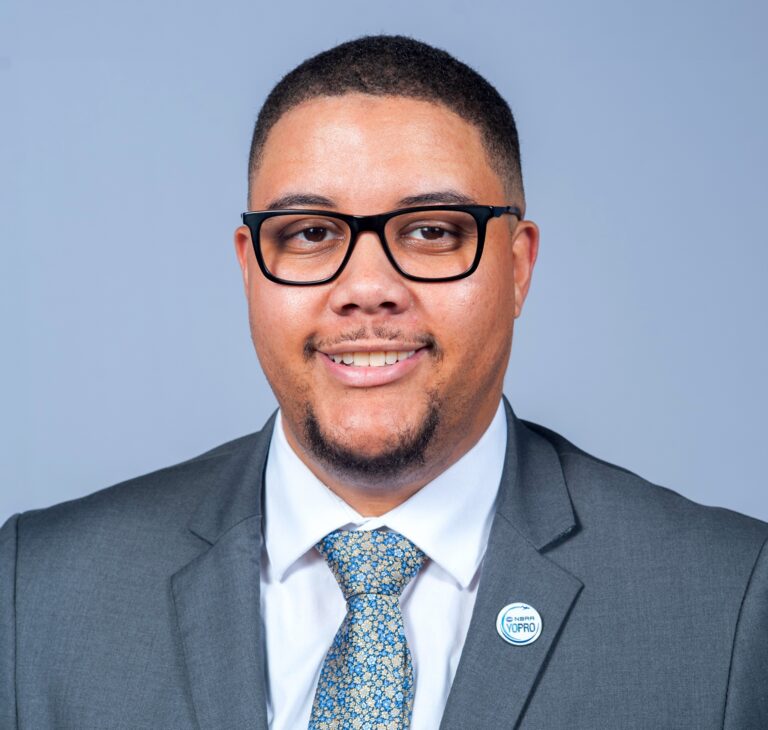
What drew you to business aviation, and what was your path into the industry?
Business aviation really chose me. As a kid in grade school, it was never presented as an opportunity. The airline sector was pushed heavily. It wasn’t until I met more people that worked in business aviation that I realized this was a rewarding area that I could fully use my skills.
Was there a particular moment or person that inspired your career direction?
My love for aviation started around the age of seven. That inspired me to pursue a career in aviation and gear my education toward it. During Covid I was not working in aviation and really missed the industry. As we were coming out of that period, I started to seek out opportunities where I could use what I learned outside of aviation and apply it to a new career in business aviation.
What problem are you trying to solve in your role right now?
I’m currently working as the FBO general manager for the Tri-Cities Airport Authority. We are in the process of assuming operational control of our sole FBO at the airport and that comes with growing pains along with opportunity. Our current priority is creating a solid foundation. Every day poses a different set of challenges, but I embrace them head on.
What’s a recent challenge that really tested you professionally?
My most recent challenge was transitioning from the private sector in business aviation to working for an airport authority, which operates differently. Moving into a public‑facing role has reshaped how I make decisions, as my work is now evaluated not only by leadership but by the airport authority board and the Tri‑Cities community.
What’s one aspect of business aviation operations that you think deserves more attention?
I believe the behind-the-scenes roles deserve much more attention. Most people just see the pilots and aircraft being the sole part of a successful operation. They fail to see the hundreds of people in the background that make the operation work. From flight schedulers, crew schedulers, FBOs, ground transportation providers, caterers and even more. They all play a part in a successful operational outcome.
Where is business aviation getting it wrong?
A challenge in aviation is the lack of early exposure to its full range of careers. Many younger students primarily associate aviation with becoming a pilot, which is only one facet of a much broader field. To address this, I believe business aviation companies should invest more in outreach programs to younger age groups. This will help engage youth audiences earlier, build a stronger talent pipeline and keep the industry sustainable.
Can you explain why being part of the NBAA’s YoPro scheme is important to you?
Being a YoPro has been extremely valuable. It has allowed me to learn from peers at similar career stages while also expanding my network and supporting those entering the industry. The level of mutual support among YoPros is invaluable and reinforces the industry’s continued growth.
What’s the biggest barrier preventing talented young professionals from staying in business aviation?
The cyclical nature of aviation can be challenging, as external factors often impact the industry. This uncertainty can push talent toward more stable fields. To retain talent, I believe companies should highlight long-term career growth and future opportunities. This will help reduce fear of the unknown and encourage people to stay committed.
If industry leaders listened to the next generation, what’s the first thing you’d tell them to fix?
Listen to the people who keep your operation running. Entry-level employees handle the day-to-day work and see pain points firsthand. Amplify their voices, encourage feedback, and consider their ideas. While not every suggestion will work, showing that you listen and act builds trust and makes employees feel valued.
How do you put listening to entry-level employees into practice?
I make it a priority to start most days by connecting with my team on a personal level — checking in, seeing how operations are flowing, and identifying anything that may need my attention. Those conversations give me valuable, real-time insight into what’s happening on the ground.
I also focus on maintaining open and approachable communication. I want my team to feel comfortable coming to me, whether it’s to raise a concern or just have a conversation. In addition, I leverage tools like email and mobile communication to stay accessible and responsive throughout the day.
How do you keep your team motivated through the uncertainty of a major operational transition?
I consistently remind my team that once we reach full operational capacity, processes will become much more streamlined. Right now, we’re in a phase of essentially operating with one foot in and one foot out of the FBO, which naturally comes with some challenges.
I encourage them to view this period as an opportunity rather than a setback. It’s actually an ideal time to learn the operation in depth while things are still ramping up. The more exposure and understanding they gain now, the more confident and effective they’ll be when we move into full operations.
Are there specific communities the industry is still failing to reach?
As a black professional, I would have greatly valued earlier exposure to opportunities like this. Early access plays a critical role in shaping how individuals view their potential and what they believe is possible for their future.
This is especially impactful for minority and underserved communities, where representation and visibility can open doors that may not have seemed accessible otherwise. Overall, I’m passionate about helping create pathways that are not only visible, but also attainable and sustainable for the next generation.
I strongly believe in the idea that “if you can’t see it, you can’t be it”. While outreach efforts have certainly improved, there is still an opportunity to strengthen with ongoing support and engagement.
If you’re still in business aviation in 20 years, what does success look like to you?
I define success as knowing I’ve made a meaningful contribution to the industry and left it better than I found it. I want to be able to look back and see that my impact wasn’t just operational, but that I also made a difference in the lives of the people I worked with.
I take a lot of pride in supporting others’ growth and helping them see opportunities they may not have recognized for themselves. If I’ve played a role in opening those doors and helping someone move forward in their career, that’s something I’ll always value. I know the industry will continue to evolve over the next 20 years, and my goal is to evolve with it. Staying adaptable, continuing to learn and most importantly, enjoying the journey along the way.